


Retaining Wall Installation in Fort Mill, SC: The Part of the Job Behind the Stone
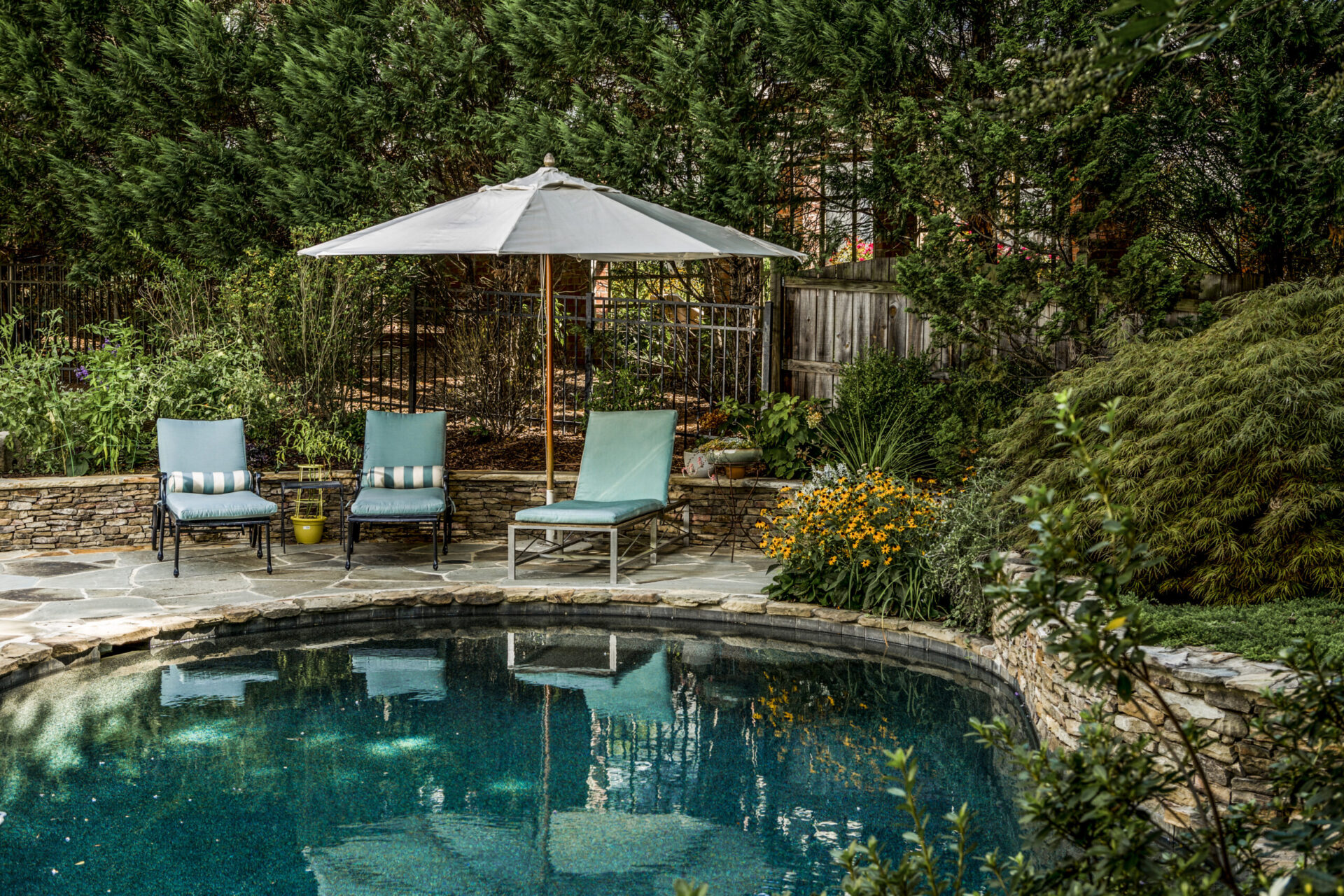
Retaining wall installation in Fort Mill, SC is judged on the face, and it fails from behind. Walls come apart because water pressure builds up in the soil behind them rather than because the soil itself is too heavy, and almost everything that prevents that is invisible once the job is finished.
Established in 2001, The Stone Man has built custom hardscapes across the greater Charlotte area for over 20 years and backs its hardscapes with a five-year warranty, a commitment that only makes sense when the drainage behind a wall is built as carefully as the face of it.
Here’s what belongs in that space, and why two walls that look alike are priced differently.
What Goes In Behind a Retaining Wall?
Drainage stone, filter fabric and a drain line go in behind a retaining wall. The stone gives water somewhere to move, the fabric keeps soil from migrating into it and clogging the voids, and the line carries the water out to a discharge point.
Leave out any one of the three and the system stops working within a few seasons, usually without any visible warning until the wall starts to lean.
Why Does a Retaining Wall Base Have to Sit Below Frost Depth?
A retaining wall base sits below frost depth so the wall is not lifted by the ground it stands on. A base set below frost depth also gives water a route out of the wall rather than a place to collect and freeze.
Carolina winters are mild compared with the north, and the freeze-thaw cycle still runs often enough through a season to move a shallow base.
When Does a Retaining Wall Need Engineering?
A retaining wall needs engineering when it is tall, and shorter walls need it too when they carry a surcharge such as a driveway, a structure or a slope continuing above them.
Steep slopes or unstable soil often call for additional engineering or support structures.
That determination belongs in the design stage. A wall redesigned after excavation has started is the expensive version of the same conversation.
What Does Retaining Wall Material Change?
Retaining wall material mostly changes the appearance, and the detailing behind it somewhat. Fieldstone, bluestone, manufactured wall blocks and veneers each sit differently and have their own requirements at corners, steps and caps.
A mortared stone wall and a segmental block wall solve the same structural problem by different means, and the right one usually follows the architecture of the house.
What Problem Is a Retaining Wall Solving?
A retaining wall is the answer when a slope makes part of the yard unusable. It also handles erosion control, terraced planting space and level areas for seating or a lawn.
Naming the purpose first keeps the height and position from being decided by where the slope happens to be steepest.
How Should Two Retaining Wall Quotes Be Compared?
Two retaining wall quotes should be compared on what is behind the stone.
A proposal specifying drainage stone, fabric, a drain line, base depth and the discharge point is describing a different build from one listing a height and a square footage.
Our custom stone walls are built with that detail specified in the design, which is also what makes a long warranty on them reasonable to offer.
Have Your Slope Assessed for Retaining Wall Installation in Fort Mill, SC
A site analysis covering grades, drainage and soil conditions settles what the wall has to do before anyone prices it. We evaluate grade, soil and drainage before setting the wall type and height.
The Stone Man designs and builds custom stone walls from our base in Fort Mill, SC, throughout the greater Charlotte metro on both sides of the state line.
Schedule your retaining wall consultation with The Stone Man and have the slope assessed first.
In Summary
Can an existing wall that is leaning be repaired rather than rebuilt?
A leaning retaining wall usually needs rebuilding rather than a reset, because a lean is usually a sign the drainage behind it has failed. Where that is the case, rebuilding with a proper drainage system behind it is the repair, since resetting stone over the same problem returns it.
How much usable yard does terracing a slope recover?
Terracing recovers more usable yard as the grade change gets divided across more levels. Two shorter walls often recover more usable ground than one tall wall, and they frequently avoid the engineering threshold a single tall wall would cross, which is why The Stone Man evaluates the grade before setting wall heights.
Where does the water from a wall drain to?
Water from a retaining wall drains to a discharge point chosen during design, away from the house and from any neighboring property. Deciding that location early matters, because it affects where the drain line runs and sometimes where the wall can sit.